 By Vince Kipple
Traffic Calming Measures UK – One Speed Bump Case Could Shake Them Up
Imagine a driver trundling along at the perfectly lawful 30 mph in a spotlessly well-lit residential area, when suddenly one of the speed tables they’ve just cruised past – a particular favourite of yours, I’m sure – decides to go and fracture right in front of them, sending their suspension buckling and dashcam footage flying all over the shop. Next thing you know, what should have been a routine daily commute is transformed into a landmark court case that’ll rewrite the rulebook on traffic calming measures right across the UK.
UK roads are already cluttered with countless speed bumps and humps, speed cushions and road humps, all installed under a jumbled mess of standards, Department for Transport guidance and local interpretation being thrown together willy-nilly. The Department for Transport reckons that over 100,000 of these vertical deflection gadgets exist on English and Welsh highways alone, yet not one single court case has ever had a lasting impact on setting clear national standards for their design, installation or maintenance.
Now most of the arguments surrounding traffic calming centre on safety and whether drivers are comfy with it all. This article takes a completely different tack. We’re looking at the way the law and liability works – specifically the Highways Act 1980 and how insurers and local councils quietly shape what gets built on your streets.
What follows takes a closer look at the legal risks run by different types of traffic calming gear – with a particular focus on speed tables – why a single, well-argued court case could change design standards overnight, and what this means for councils, engineers and drivers who have to navigate these things every day.
Traffic calming tools in a nutshell:
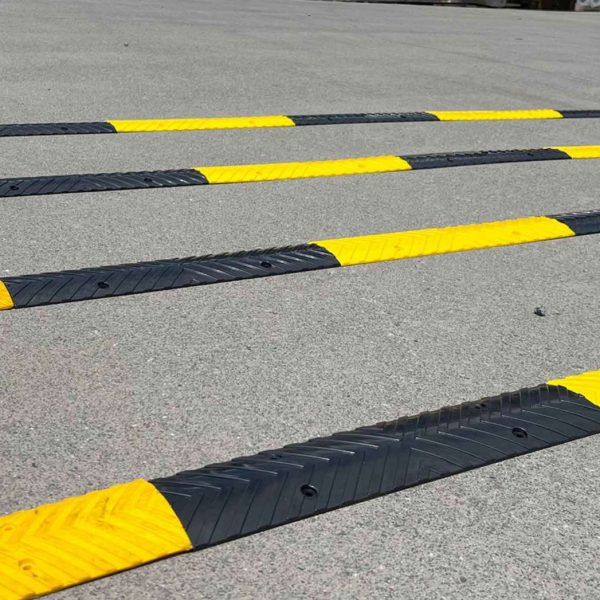
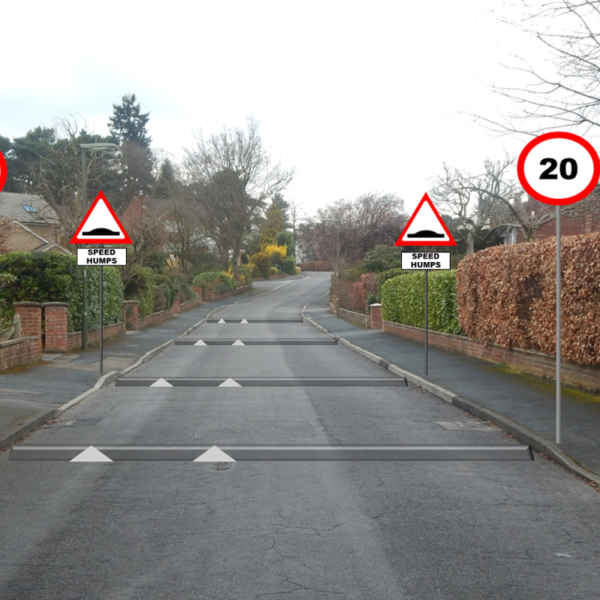
- Speed cushions: Bit like speed humps but with segmented ramps so emergency vehicles can get through
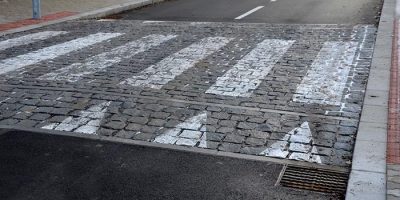
- Flat-top speed tables: Big raised plateaux used to help pedestrians cross
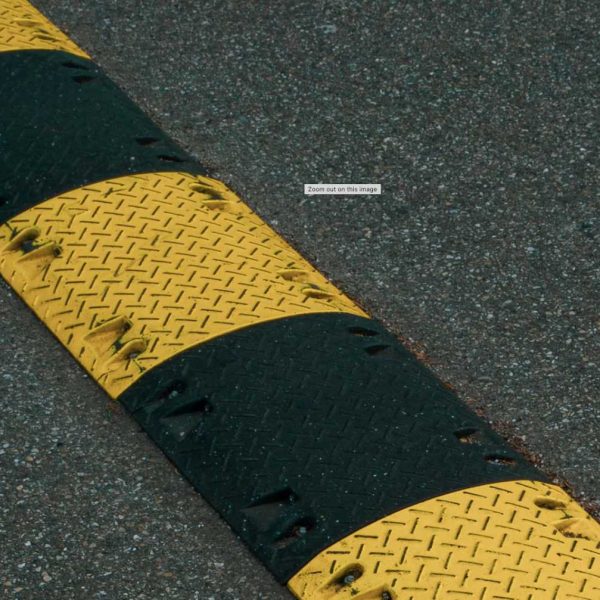
- Road humps: Sinusoidal or rounded bits in the road that slow vehicles down
- Chicanes: The road being narrowed or restricted to slow drivers down
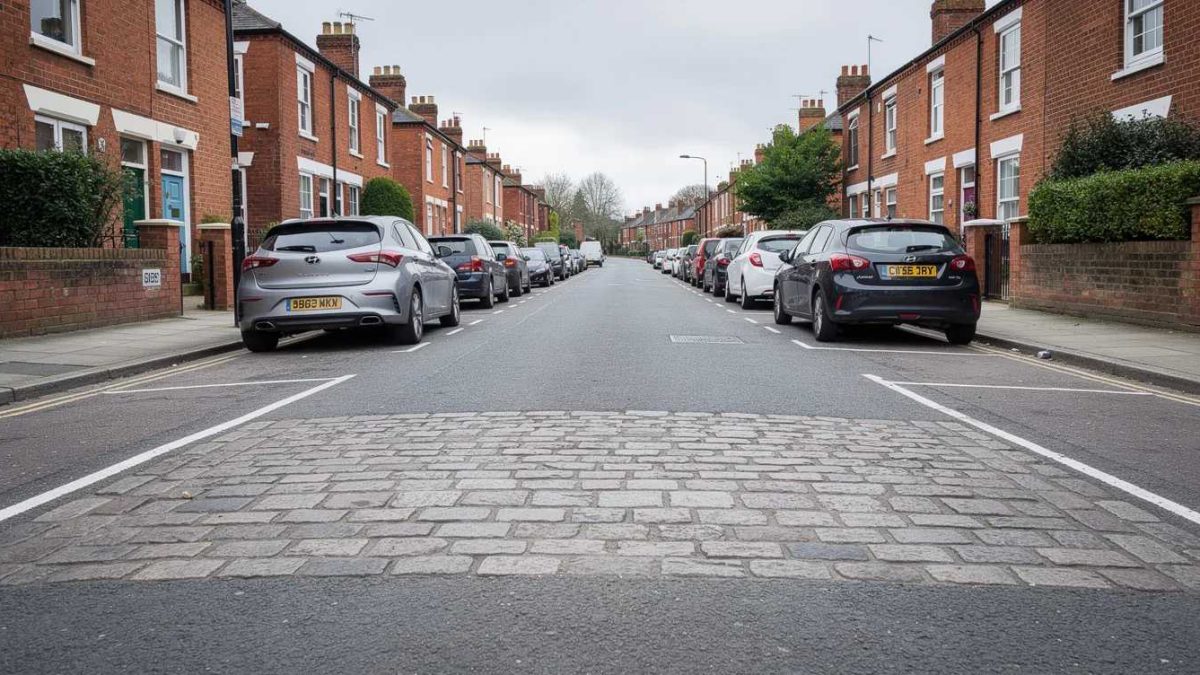
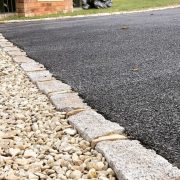
- Surface treatments: Textured materials like cobble setts for visual slowing
Traffic Calming in the UK: From Safety Tool to Safety Liability
Traffic calming emerged in the UK back in the 80s, largely inspired by the more advanced models in place in Northern Europe. We first saw these sorts of schemes spring up in places like Borehamwood, which featured road narrowing and traffic islands. Some of the other early schemes have now been largely forgotten – like the Oxford Road scheme in Reading which used a combination of chicanes and raised tables to get speeds down and make pedestrians safer. In some cases they even incorporated parking bays into road narrowing schemes to keep parking accessible and support the traffic calming measures. By the 1990s though, vertical deflection – that’s humps, tables and cushions – had become the standard approach in residential areas.
Now the idea was pretty straightforward – the research showed that speed humps and speed bumps did a pretty reliable job in reducing vehicle speeds to under 30mph. This led to some pretty significant reductions in collisions too, with a 20-40% reduction in calmed zones. With fewer kids and pedestrians getting hurt, it’s no surprise that they expanded the schemes even further.
The Law Behind Traffic Calming: How the Highways Act 1980 Works
The Highways Act 1980 is the main piece of legislation governing what authorities can and can’t do on our highways in England and Wales. If you’re involved in any traffic management at all, you really need to understand how this legislation works.
Section 41 says local councils have a duty to keep the roads safe – not just to do nothing about hazards, but to actually take positive action to stop accidents. So if a speed table is installed and turns out to be faulty, that’s not just a case of ‘oh well, we didn’t bother fixing it’. That’s a positive act that was done badly.
Section 58 gives councils a bit of protection from getting sued, but only if they can prove they were reasonably careful when they installed the feature – that typically means they had a good maintenance regime, responded promptly to complaints and stuck to established standards.
There are specific regulations governing vertical features like speed bumps and humps. The Highways (Road Humps) Regulations 1999 set out strict dimensions for height, gradient and flat top length. And don’t even get me started on advance warning signs – local councils have to put up a particular type of sign (diagram 566) to warn drivers about vertical features like speed tables. Local Transport Note 1/07 and the Manual for Streets provide some additional guidance, though it’s non-statutory so councils don’t have to stick to it.
When a council installs a speed table, they’re not just sticking a few bits of tarmac down – they’re actually altering the road. And if that road alteration presents a risk of damage beyond what’s necessary for reducing speeds, or if their inspection and maintenance regimes prove to be poor, then councils can be held liable. Broken edges that create sharp drops, drainage failures that cause ice to form on ramps – these are all things that could get councils into trouble.
There hasn’t been one landmark speed table case to date that’s reset the law, but cases involving road defects like potholes and sunken ironworks are instructive on the issue of duty of care and breach. The machinery is all in place, it’s just waiting for the right case to come along.
While UK cases on speed tables are few and far between , UK courts have had a lot to say on road surface defects. This whole body of case law gives us a very clear idea of how a speed table claim would be viewed in court.
Key points that have emerged from highway defect decisions:
- Courts are very keen to distinguish between defects that are pretty trivial (less than 20mm vertical disparity) and ones that are potentially life threatening (over 40mm or with slopes that are way too steep)
- Just how often councils inspect their roads is utterly crucial – inspections that happen every week or month and are scaled according to how much traffic is about are generally seen as reasonable care
- Expert witnesses who can look at the road and tell you what a “safe” profile looks like are a key part of most cases
- If there were complaints about a particular stretch of road before the incident, then that can be a big help in making a case for negligence
The parallels between pothole cases and claims about speed tables (or “road humps”) are pretty striking. A speed table that’s fallen into disrepair can cause just as much damage as a big pothole, & a broken speed table can feel just as hazardous as a sunken manhole cover. However, it’s worth noting that court cases or even safety improvements often only address part of the issues with road safety measures, they may not solve every potential problem.
Some examples from case law in England & Wales that give us an idea of what we can expect include:
- Claims that were thrown out when it turned out that councils had been inspecting the road fairly regularly and there had been no complaints before the accident
- A case where a £5000+ award was made for damage to alloy wheels because a speed table had been left with a 45 mm step for 8 months despite complaints from residents being ignored
- A bunch of cases where councils got into trouble for having dodgy records about when they looked at the road or what they found
A big speed table case that reaches the High Court or Court of Appeal could answer a whole bunch of questions. What sort of ramp gradients & profiles are reasonable? What sort of discretion do local authorities actually have when it comes to designing speed tables? What sort of inspection frequencies will satisfy the law? And the most important question of all: can local authorities ever get away with saying that they followed guidelines when they created a hazard because they forgot to inspect the thing properly after it was installed?
Risk Profiles: Comparing Traffic Calming Measures
Each traffic calming device has its own unique mix of legal, insurance and political risk, as well as its own engineering performance. When councils design and select these measures, they have to take into account lots of factors including safety, traffic flow, community impact and the environment.
Full-Width Road Humps
Road humps have got a pretty clear set of rules to follow under the 1999 Regulations, and their engineering performance is fairly well understood – they’re good at reducing speeds, but can be really annoying for drivers and create a lot of noise pollution. If the humps get too high or the ramps get too steep, then the risk of damaging your car goes way up.
Flat-Top Speed Tables
Speed tables are really good for pedestrian crossings and bus lanes because they’re so big and flat. However, because of their long ramps, they are way more likely to crack and create uneven surfaces that drivers can hit at 30 mph.
Speed Cushions
Speed cushions are a bit of a compromise between speed tables and other speed-reducing measures. They create a bit of a hazard for cyclists and motorcyclists because they can get stuck in the gaps. And if you hit one of the bumps, then your tyres might blow out.
Horizontal Measures
Chicanes, narrowings and priority systems all carry a bit lower risk of direct damage to your car. One study found that 29% fewer accidents happened near chicanes. But if the sightlines are bad or people don’t understand the priorities then you can end up with collisions that might even cause injury
Surface Treatments
Rumble strips and textured surfaces can help slow down drivers, but they can also cause all sorts of problems for people with back problems or mobility issues. And if they’re laid out badly, then people with wheelchairs might even bring a claim under the Equality Act
What insurers & risk managers want to see:
- Measures that have got clear national standards and a proven track record
- Measures that are so safe that drivers can’t even get hurt at the speed limit
- Really clear records of how the thing was designed, inspected and maintained.
Insurance & Claims Data: The Hidden Driver of Design Choices
Most people don’t actually sue over a single damaged tyre or scratched exhaust. But when there are a lot of people making the same sort of claim, then that’s when councils start to take notice.
The claim pathway:
- Driver hits a road hump or speed table, says that damage was done to suspension or exhaust
- Driver claims from their own motor insurer (averaging £500-£2000 for wheels or suspension)
- Insurer investigates using photos and logs of what the inspectors looked at
- If the measure wasn’t up to standard (e.g. a rump or road hump wasn’t properly signed) then the insurer can get money back from the council
- Dealing with the huge cost (£200-500 per claim) of repudiating claims via section 58 defences – councils still end up out of pocket despite losing 70-80% of claims
Local authority risk teams and insurers dig in to study patterns in claim clusters. A table that’s been a thorn in the side since 2015, generating endless complaints, suddenly gets flagged. You start to see that older non-standard speed bumps and humps (those pre-LTN 1.07 designs) are churning out 2-3 times more claims than the newer, audited sine-wave profiles.
It’s this data that drives quietly made changes. Councils re-profile or even axe problematic features – Bristol went all the way back in the late 2010s to remove several speed tables that were a result of claim analysis. A few authorities insist on a blanket ban on new vertical deflection on bus routes or A-roads, opting for speed limit signs and cameras to keep drivers in line instead.
The can of worms that is catastrophic risk is a real worry. A single high-value personal injury claim—say a driver losing control on a broken speed cushion edge and ending up in a serious crash—could end up costing thousands of times more than all the minor claims put together. That one incident alone could conceivably break the bank at £100,000+ in injury compensation, dwarfing all the smaller claims councils are currently managing.
The insurers are especially skittish about this exposure. A landmark judgment could prompt demands for a much stricter design and inspection regime nationwide, effectively turning the whole traffic calming landscape on its head through commercial pressure rather than legislation.
Turning Policy Into Practice: Implementation and Enforcement
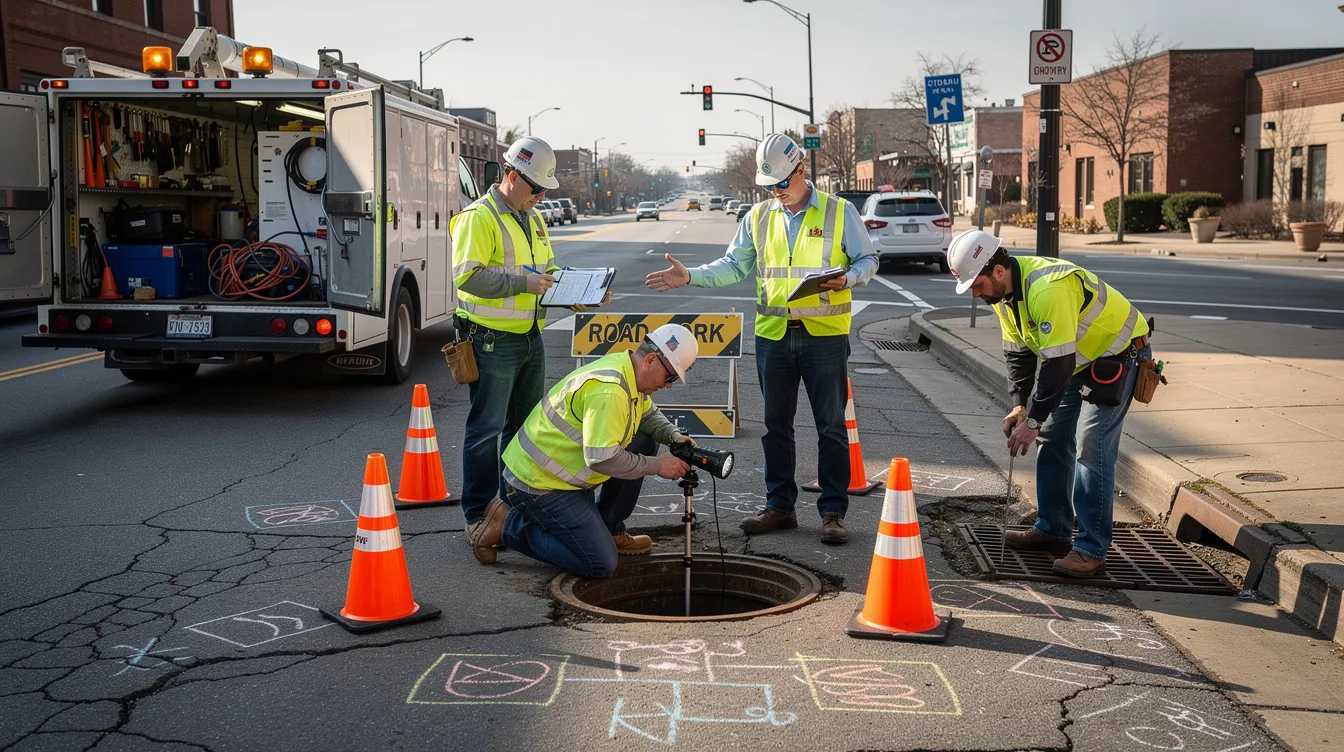
Getting traffic calming measures to work on the ground is all about implementation and enforcement. While national policy and technical guidance set the framework, it’s the local authorities who bring traffic calming schemes to life – translating strategy into real-world calming measures that actually impact driving habits and road safety.
It all starts with identifying problem areas, nearly always residential streets that see a lot of speeding or collisions. Local authorities then sit down with residents, businesses and other road users to get a better understanding of the challenges of each street. This consultation makes sure that traffic calming measures aren’t just technically sound, but also have the support of the people who live and travel in the area.
Designing a traffic calming scheme is all about finding the right mix of measures – speed tables, speed humps, road narrowing, or horizontal deflection – tailored to the specific situation. Engineers have to consider all sorts of factors – average speed, traffic flow, bus routes, and how pedestrians or cyclists might be affected. The goal is to get drivers to slow down, improve safety, and create streets that are self-enforcing. This means reducing reliance on policing by making sure drivers automatically slow down.
Once a scheme is designed, implementation starts with clear road markings, warning signs, and physical measures like speed cushions or build outs. Communication is key: local authorities often run public information campaigns or put up temporary signage to let drivers know what’s changed – and why – to help them adjust their driving.
Enforcement comes from a combination of good design and keeping an eye on things. Well-designed traffic calming measures naturally slow people down, but to ensure compliance, speed limit signs, the odd police stop, or even speed cameras are used. That way drivers know they’re being watched – and that visual reminders like flat topped speed tables or rumble strips serve as a constant reminder to slow down.
There are still some challenges – getting funding for installation and ongoing maintenance, balancing the needs of car drivers, cyclists, and pedestrians, for example. What it boils down to is regular monitoring and prompt repairs to keep calming measures effective and safe. If you don’t do this you risk claims or undermining public trust because of poorly maintained features.
It all comes down to local authorities finding a balance between effective traffic calming and what the community will actually accept. By focusing on thoughtful design, clear communication and proactive maintenance, councils can make a real difference in reducing traffic speeds and improving road safety for everyone.
How a Single Speed Table Case Could Set the National Standard
Imagine a realistic test case scenario emerging in 2025 or 2026:
A motorist travels lawfully at 30 mph through a signed zone and they hit a speed table installed way back in 2012 – which by now has a 30mm edge fracture and a ramp gradient of 1:8, which is way beyond the 1999 tolerance. The car takes a hefty £10,000 in suspension and underbody damage – and dashcam footage captures the whole impact. Expert laser scanning proves it’s not up to LTN 1.07 profile standards.
The motorist and their insurer then sue the highway authority, claiming negligent design and maintenance.
How the case might pan out:
- County Court proceedings kick off with duelling engineering experts trying to figure out if the speed table was up to scratch with Road Humps Regs and DfT design guidance.
- Some completely new points come up – perhaps the standard of care for post-installation tolerance drift has never been looked at in court.
- If the legal issues are major enough, the case heads to the High Court for a final decision.
- The written judgment then becomes a benchmark for every future claim involving traffic calming measures
What that precedent might decide:
- What the bare minimum inspection frequency should be for vertical features on urban streets (possibly bi-monthly for the busiest sites)* A maximum 15mm differential between edges on ramp surfaces before you start to worry about break up.
- When does sticking with guidelines make sense and when do local conditions call for a more cautious approach to traffic calming design ?
If one judgement gets it just right , the following could happen:
- Nationwide audits of speed cushions, road humps, and flat-top tables by councils against the new legal standard
- A quick update to design manuals, standard drawings and contract specifications used across UK consultants and contractors
- A temporary moratorium on certain devices until they’ve been risk assessed and re-approved
- Insurance premiums take a hit, because liability landscape has just got a whole lot clearer
One big judgement could in effect turn into a de facto national design standard – all without needing any new legislation to go through Parliament.
Design and Maintenance: Reducing liability without losing sight of what actually makes roads safer
Local authorities and designers can keep using traffic calming while still managing their liability risk. Here’s how it will work out in practice.
In addition to physical measures, using traffic lights as part of traffic management and enforcement can help keep speeds down and ensure drivers comply with the speed limits
Design choices that really reduce risk
- Choose ramp gradients that have some backing from research. For instance, speed humps with 1:15 sine-wave profiles and rubberised edges avoid the kind of harsh impacts that lead to insurance claims
- Stick to 50-75mm heights – anything above that (100mm +) will damage vehicles at 25-30 mph
- Avoid the short-pitch bumps that generate vertical accelerations of more than 2g
- Before using vertical measures, consider how you can improve roads with gateways, visual narrowing and horizontal deflection
- On busy roads with more than 5,000 vehicles per day, consider using enforcement rather than just physical measures
Maintenance – sticking to the basics
- Check your traffic calming features fortnightly, focusing on where they meet the carriageway. This is where you’ll usually start to get break up
- Respond within 7 days to public reports of harsh impacts, scraping or visible defects
- Keep a record of your maintenance work – including photos and measurements to prove you’re staying compliant with section 58
- Log all your inspections using GIS, with dated photos and measurements
Working with cyclists and accessibility
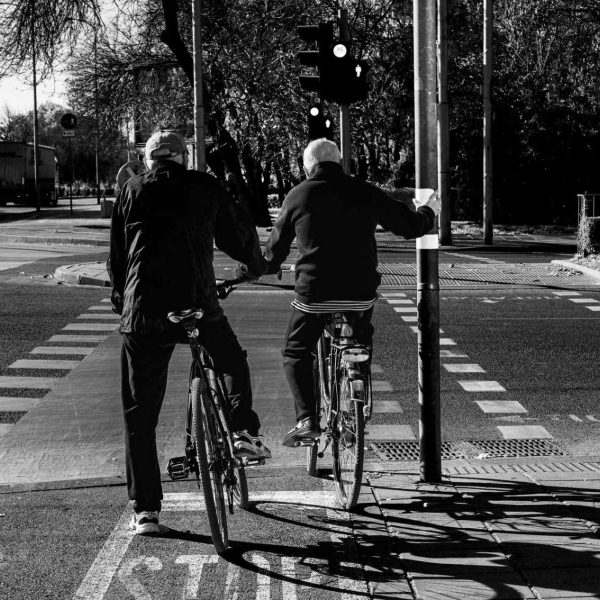
- Make sure your speed cushions have a cycle bypass, so cyclists can keep in the primary road position without having to do a narrow overtaking manoeuvre
- Avoid jarring surfaces like badly laid cobble setts on paths used by wheelchair users
- Test block paving and textured surfaces against accessibility requirements before you install them
Getting legal and insurance input at the design stage
- Involve your risk managers and insurers when drawing up standard details or rolling out area-wide traffic calming schemes
- Commission a road safety audit to document how you weighed up the legal and safety risks
- Record your design decisions to show compliance with Manual for Streets and LTN 1/07 guidance
- Make sure drivers know about speed reduction measures with warning signs in the right place
Public Perception, Consultation and Political Pressure
Public opinion tends to drive where traffic calming gets put in – and where it gets taken out after a backlash. This creates a right old complicated dynamic for highway authorities.
Residents lobby for tough schemes after collisions, especially near schools where they feel vulnerable. Councillors respond and traffic calming gets approved. But months later, you get complaints about vehicle damage, noise and inconvenience. Petitions start circulating and the same councillors who championed the scheme are under pressure to remove it.
Edinburgh’s 20mph rollout at first delivered safety improvements (roughly 20% casualty drops in early monitoring). Sheffield later removed humps after persistent complaints about vehicle costs. Bristol got rid of chicanes amid rat-run concerns.
Removing traffic calming creates its own liability – as we all know. If traffic speeds rebound and collisions increase at sites where hazards were known, it’s arguable that not acting was negligence.
Clear communication can help. Explaining why you chose a particular design – say, a long flat-top table at a school crossing prioritising pedestrian crossings – over sharper alternatives can build understanding. Being transparent about your inspection regimes and how reported defects will be handled can reduce adversarial relationships
A widely reported speed table lawsuit could really shift this dynamic. Councils will become more cautious about approving new vertical deflection. Residents’ groups will quote case law when arguing against schemes. The balance between safety benefits and liability risks will tilt further towards caution
The Future of UK Traffic Calming: Legal, Technical and Policy Directions
UK traffic calming policy has quietly been influenced by fear of liability and insurance costs as much as casualty stats. A single decisive court ruling on a speed table could cement that influence into formal standards – potentially reshaping how streets function in built up areas.
Technical shifts are already happening. There’s a greater emphasis on designing roads that tell drivers to go slow through environmental cues, not jarring impacts. Materials like asphalt-rubber composites degrade more gradually, reducing sudden hazardous defects. Designers now favour measures that encourage drivers to drive slowly through visual cues rather than harsh impacts.
Policy Development Accelerating
The updated regulations from the DfT could be coming down the line, and they might actually tie design dimensions directly to the accepted legal tolerances – it’s a possible reality. We could start seeing national performance standards for inspection regimes for things like humps, cushions & tables pop up, similar to how we handle potholes. Whenever transport and environmental planning start working hand in hand, that’s when you’ll see designs for traffic calming that not only work but are also sustainable and something the community actually wants.
The Potential for Dynamic Systems
Now – speed-activated humps have been tried out in the Netherlands – they only go up when a vehicle is speeding – a great way to get people to slow down without needing to replace them constantly. But the big catch there is when your automated hardware starts to malfunction, who’s on the hook for the problem?
The Bottom Line
At the end of the day: good traffic calming that’s been thoughtfully put together & looked after can save lives and also help avoid huge lawsuits down the road. The awkward truth is – that kind of lawsuit is coming. The question really is – are we ready for it when it does?