 By
By Lets Get Ready To Rumble (But Make It Beautiful)
I’m about to let you in on a little secret. For years, the highways industry has been dreading a conversation about rumble strips, and its been going a bit like this: “They’re brilliant, they save lives, and they’re a great value for money. But they’re a bit unattractive, and a bit too loud, and residents just plain dont like them.”
So we either didn’t bother installing them, or we installed them with a bit of a struggle, or we stuck them in the middle of nowhere – which sort of defeats the entire point.
But what if I told you there’s a better way to go about this? What if rumble strips could both save lives AND make the streetscape look nicer? What if the conversation could shift from “do we have to?” to “why on earth not?”
Thats exactly what Im going to explore in this piece. Because the evidence is just too compelling, the tech has moved on, and the excuses are pretty much running out.
The Report That Was Supposed To Send Shockwaves
Back in 2019, the Transport Research Laboratory (TRL) published a report that should’ve been a major news story. But it never quite made it to the front page of the local papers. Still, the findings were so significant that they made us all think again about road safety.
The report – not available online apparently – is titled “Safer Verges – Part 1: Use of Rumble Strips” . And it highlights just how much of an impact slapping rumble strips along single carriageway roads can have in cutting down on those nightmare run-off-road (RoR) accidents.
Now, I know what you’re thinking – this is probably a pretty niche concern. But run-off-road accidents are a pretty big killer on UK roads. They cause a significant chunk of fatal and serious injuries – especially on rural single carriageways where the speed limit is higher and the roads are less forgiving.
TRLs research drew on studies all over the world. And the upshot was pretty clear-cut: research from all around the world confirms that rumble strips really do have a beneficial effect. They described rumble strips as “one of the highest benefit-to-cost roadside safety treatments” .
Let that sink in for a bit. One of the highest benefit-to-cost treatments out there. Not “pretty good”, not “worth thinking about” – one of the highest.
So what does this actually mean in practice?
It means that for a relatively modest amount of cash, rumble strips can deliver some pretty significant safety benefits. They slow drivers down, they alert inattentive drivers, they stop vehicles from veering off the road – and they save lives.
The report suggested extending their use onto rural single carriageways – where there are loads of run-off-road and head-on crashes that cause loads of serious injuries.
And yet, here we are years later, and rumble strips are still woefully underused. Still treated as some sort of niche solution. Still installed with a fair amount of reluctance, if they get installed at all.
Why is that?
Because weve been focusing on the wrong thing. Weve been asking “do they work?” when we should have been asking “how do we make people like them?”
The Problem With Traditional Rumble Strips
We all know the downsides of traditional rumble strips.
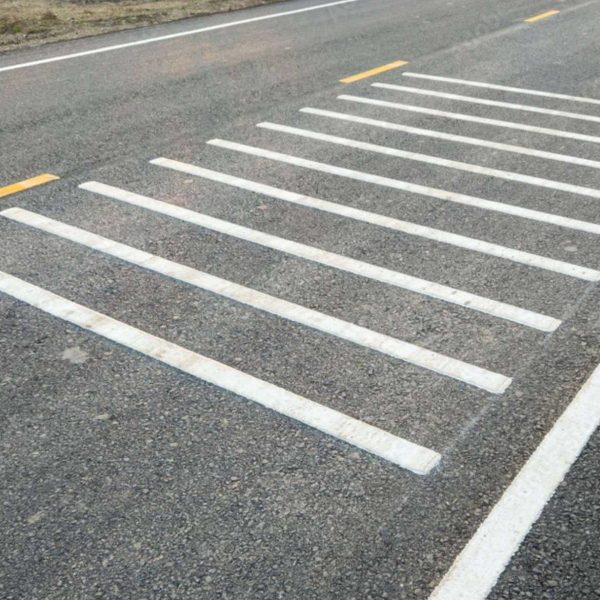
Noise – this is the big issue. A traditional milled rumble strip generates a lot of noise – especially for residents who live nearby. The Department for Transport advises against sited them too close to residential properties if at all possible – and some authorities wont install them within 200 metres of homes for that very reason.
Visual Impact – traditional rumble strips are, to be honest, pretty ugly. Theyre always a different colour to the road surface. They look like scars on the tarmac. In heritage areas, theyre a real eyesore.
Cyclist Discomfort – traditional rumble strips can be pretty uncomfortable for cyclists. The vibration and noise that alerts a driver in a car can be a real pain for someone on a bike.
Perception Of Punishment – theres a perception that rumble strips are all about penalising drivers, rather than helping them. They feel a bit aggressive – like a “gotcha” rather than a “heads up”.
These are real concerns – and theyve held back wide scale adoption.
But here’s the thing – theyre also all solvable. And the solutions are already out there.
The Quiet Revolution In Rumble Strip Design
The highways industry has been quietly coming up with new ideas – and the results are pretty impressive.
Low-Profile Designs – traditional rumble strips are a bit of a bit of a blot on the landscape. But low-profile designs with chamfered edges and gentler rises give the alert without all the aggression. The vibration and noise are reduced – but the psychological effect remains.
Better Materials – the materials used for rumble strips have come a long, long way since the old days. You’ve got resin-bound composites like the ones used in Quicksetts, that are far more durable, consistent and visually appealing than traditional asphalt or milled surfaces. They just look a heck of a lot better – and for once, rumble strips aren’t an eyesore.
Better Integration. With Quicksetts, rumble strips don’t have to be tacked on as an afterthought. They can actually be integrated seamlessly into the design of a gateway treatment, a speed table, or other calming measures. It’s all part of a well thought out, cohesive plan.
Aesthetic Considerations. Okay, let’s get real here. Rumble strips don’t have to be ugly. They can actually enhance the overall look of a street, rather than detract from it.
Making Rumble Strips Actually Look Good
Let me introduce you to a product that’s really making waves in the traffic calming world.
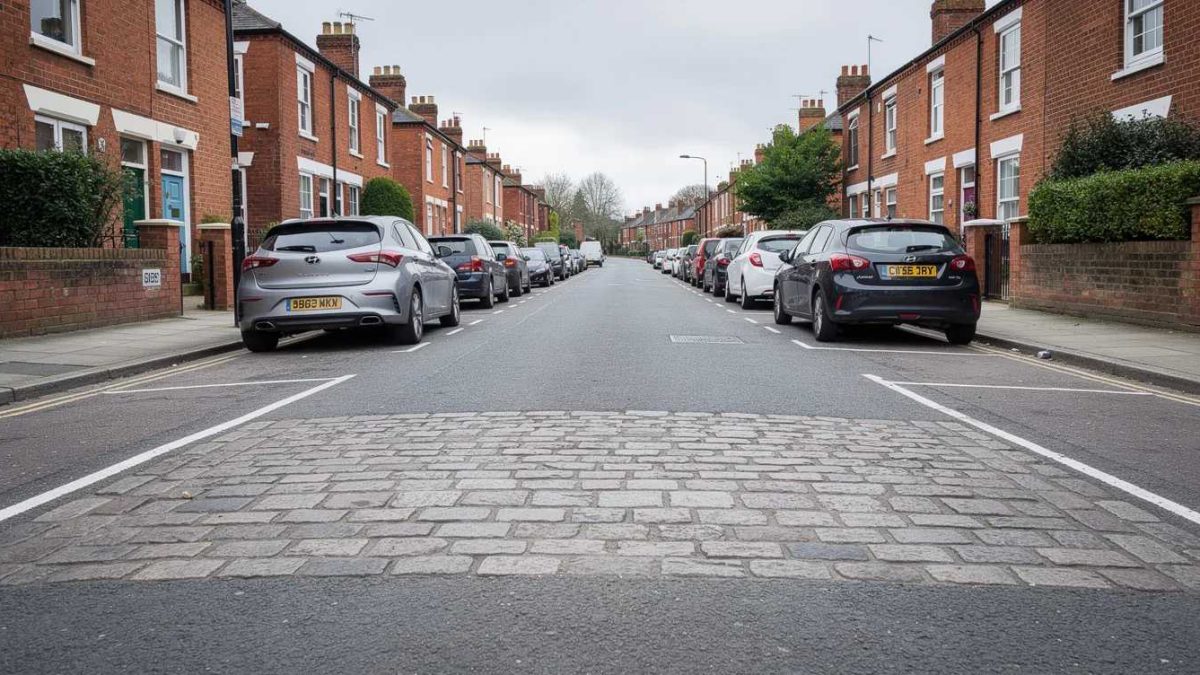
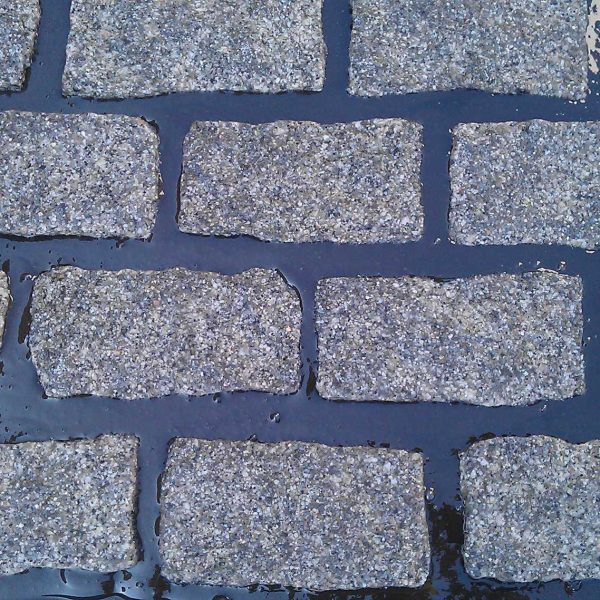
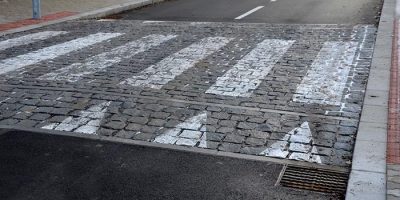
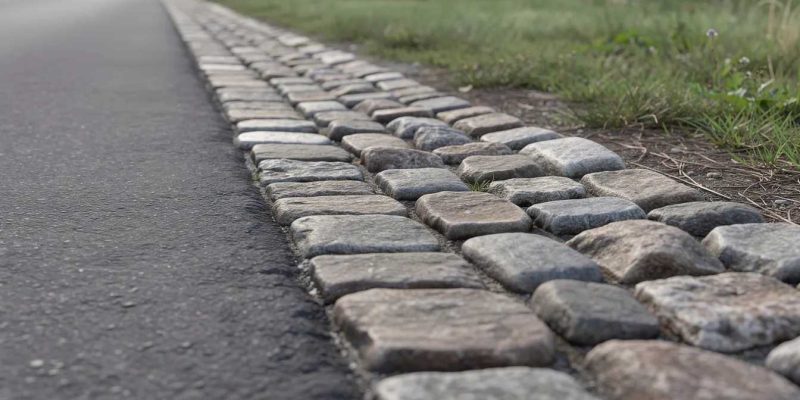
Quicksetts are a line of high performance, resin bound paving products that are engineered to look and feel like traditional granite setts. The difference is, they can handle the demands of modern traffic conditions and aesthetic standards.
And they produce rumble strips that are genuinely great looking.
The Low Profile Advantage. Our rumble strips are lower profile than most others out there. Which means less noise, less vibration, less of a hassle for nearby residents. But the warning still gets across – the psychological effect is still there.
The Aesthetic Advantage. Quicksetts look just like traditional granite setts. They fit right in with the existing streetscape. In a heritage setting, they’re a real asset – they enhance rather than detract. They turn a traffic calming measure into a legitimate piece of placemaking.
The Durability Advantage. Quicksetts are built to last. The resin bound material won’t degrade under the elements, and in the unlikely event of individual setts getting damaged they can be easily replaced. The overall cost of ownership is much better than traditional alternatives.
The Installation Advantage. Quicksetts can be installed right on top of existing asphalt or concrete, with no need for major excavation work or lengthy road closures. Minimal disruption – we promise.
The Proven Effectiveness. Quicksetts rumble strips have been put to the test across the UK – in a major trial on a bus route in Oxfordshire and a county wide rollout in Northumberland. And the results have been pretty impressive : speeds reduced, residents happy, the schemes worked.
Here is a specific example
Northumberland County Council had a familiar problem on their hands. They needed to slow traffic entering village areas, but traditional rumble strips would have generated too much noise. Speed bumps would have been unpopular with both residents and emergency services.
They chose Quicksetts low profile rumble strips.
The result? The construction manager noted that “the low profile nature of the setts still gives you all the aesthetics of a traditional rumble strip, but with the added bonus of a much smoother ride for local residents, and a clear reminder to road users to check their speed.”
That’s the sweet spot : effective traffic calming, minimum resident complaints, and a streetscape that’s actually enhanced.
The TRL Report : A Closer Look
Okay, let’s take a closer look at the TRL report. It’s worth a read.
The report assessed 35 sites across the UK. It looked at vehicle speeds, traffic flows, accident rates, noise and vibration, and all the different types of rumble devices out there.
The findings were pretty clear cut
Rumble strips work. They reduce speeds, alert drivers and – most importantly – they save lives.
But the report also highlighted the challenges
Noise, vibration, resident complaints – these are all very real issues that can’t just be brushed off.
The report’s conclusion
Rumble strips should be used more widely. They’re too cost effective to ignore. But they need to be used with a bit more thought and consideration for the specific context of each site.
So what does this mean for highways engineers?
It means we need to start thinking a bit more creatively about how we spec out rumble strips. We need to consider noise, residents and the visual environment. And we need to look for products that will tick all those boxes.
The Case For Beautiful Rumble Strips
Why is aesthetics actually a thing to consider? I get asked that a lot, and my answer is always the same : because traffic calming only works if it gets the seal of approval from the community.
A scheme that generates noise complaints is a scheme that’s going to struggle to stick around for long. A scheme that looks ugly is a scheme that generates opposition. A scheme that’s poorly designed is a scheme that will fail.
But a scheme that looks good?
A scheme that looks good is a scheme that gets accepted and supported by residents. It’s a scheme that will last.
Think about it – When you drive through a village and hit a beautifully designed gateway treatment, you dont think “traffic calming”, you think “this place has some class to it”. You slow down because the environment whispers to you to do so, rather than being forced into line.
That’s what good design is all about. It works with human nature, rather than getting in its way.
Rumble strips are no different though
A standard rumble strip is basically saying “slow down or else”. It’s confrontational, aggressive and makes you want to get all grumpy . A gorgeous rumble strip is like saying “hello, you’re entering a different area now, so let’s slow down”. Its a gentle tap, a friendly reminder to ease off a bit. And guess what happens next – people actually start to comply.
Which one do you think would actually get the message across ?
The Evidence: Rumble Strips in Action
Northumberland County Council were early birds who took on Quicksetts super slender rumble strips . And the results were quite impressive – effective traffic calming, minimal gripes about noise, and a rollout that just keeps chugging along.
That Oxfordshire bus route trial – they tested out Quicksetts rumble strips on one of the main bus routes into the city centre. It looked like it was working a treat – drivers were slowing down, bus operators weren’t complaining, and local residents weren’t getting all bent out of shape either.
Everywhere you look, its clear that rumble strips really do work. They cut the number of accidents where drivers have veered off the road, alert inattentive drivers, and save lives.
And get this, TRL reckon they are one of the top value-for-money roadside safety treatments you can get – not just some pretty phrase, that’s actually a fact.
The potential impact if we started rolling them out more widely – especially on those rural single carriageways – would be pretty substantial, cutting down on the number of fatal and serious injuries on UK roads.
What’s Stopping Us from Being More Proactive
We’ve got some great rumble strips out there that work wonders, so why cant we install them left right and centre ? Well, its a chicken-and-egg situation really.
Habit. Councils have been chucking in speed bumps for years, it’s what they know and do. Rumble strips just dont feel like the go-to option for them – its a bit of an odd-ball solution.
Perception. Some folks still think of rumble strips as a bit of a cheap warning system, not a proper traffic calming measure. But that just aint the way it is.
Procurement. Councils often go for whatever is cheapest, rather than the best. Cheaper rumble strips might be ugly and noisy, but they’re what we get. The decent ones that cost a bit more upfront, but start to pay dividends in the long run… well they just dont get the nod.
Resistance. Some residents will always get their knickers in a twist over any traffic calming, regardless of how nice it looks . That’s a shame, because the evidence says the nicer the scheme, the less resistance you’ll get.
Good news – all these barriers can be overcome . We just need to find the guts to try something different and have a bit of vision.
The Future of Rumble Strips
I reckon we’re standing on the cusp of a rumble strip revolution. The evidence is there, the tech is here, now its just a matter of getting the excuses out of the way.
Low-profile designs are going to become the norm. We’ll get the alert without the aggression, and do it in a way that works with residents, rather than against them.
Aesthetic considerations will become standard practice, which means rumble strips will be designed to fit in with the street scene, rather than sticking out like a sore thumb. They’ll be seen as part of the place-making, rather than just a traffic-calming measure.
Integration will be key. Rumble strips wont be stand alone features any more , they’ll be part of multi-faceted gateway treatments and calming schemes.
Materials will improve, which means resin-bound composites like Quicksets will be the norm, rather than traditional asphalt or milled surfaces. Theyll be more durable, more consistent, and more beautiful.
The result ? Rumble strips will be a mainstream tool, widely used and effective. They’ll save lives, they’ll make our streetscapes look a bit nicer, and they’ll be accepted by communities.
And we’ll be left staring at our own inaction – and wondering why we didn’t take the leap sooner.
The Hard Truth
At the end of the day, it comes down to a pretty simple thing.
TRL’s report didn’t mince words: rumble strips are a safety no-brainer that really does make sense. And the only reason it’s not happening is because we’re holding ourselves back.
We’re stuck on cheap, quick fixes that we know are subpar. We let fear of what our residents might think hold us back. And we just can’t seem see what could be accomplished.
Because the reality is there’s a better way. There are some really well designed, attractive rumble strips out there that’ve worked wonders in the UK. They’ve slowed traffic just fine without getting any complaints – and they actually enhanced the look of the streets instead of ruining them.
So it’s not even a question of whether rumble strips are any good – it’s about whether we’ve got the will to make them work properly.
And I reckon we do. I really think the evidence is just too persuasive to ignore – and I think the tech is too good to just waste.