By
By Why a Cobbled Speed Table Outlasts Three Asphalt Speed Humps
Key Takeaways
- One cobbled speed table built from modular setts regularly lasts 25-30 years, while a standard asphalt road hump usually needs some TLC or a full rebuild within 10-15 years – so you can swap out three asphalt humps in the time that one cobbled table quietly gets on with doing its job.
- When you factor in the cost of resurfacing, patching, road marking renewal, and traffic management over 30 years, “cheap” asphalt speed bump might actually end up costing as much as or even more than a decent modular speed table.
- The flat top of a speed table encourages drivers to cruise along at a safe speed, rather than slamming the brakes on before a hump and then speeding up again. That means less noise, fewer complaints from local residents, and a smoother flow of traffic.
- Modular sett construction lets you do quick repairs – just swap out a few blocks instead of rebuilding the whole thing. This keeps disruption to a minimum and future costs low.
- This article draws on the real-world experience of UK councils and is written in plain English by a traffic calming specialist, so you can weigh up the short-term savings against the long-term value with some informed confidence.
Introduction: Re Thinking the “Cheap” Asphalt Speed Bump
Let’s be frank – when a council officer or estate manager needs to slow down traffic on a residential road, the first instinct is usually to grab the cheapest option that’s available. Road speed bumps – those raised bits that get installed across a road to slow drivers down – are the go-to choice. They may look cheap on day one, and the purchase order goes through without anyone batting an eyelid.
But here’s the thing – that first speed bump you install is rarely the last one you’ll pay for. Your typical UK asphalt road hump – the classic “sleeping policeman” – is assumed to last 10-15 years, but many of them need patching from year three onwards. On the other hand, a cobbled speed table built from stone or concrete setts – if it’s properly specified and laid – will regularly get through 25-30 years with only the occasional new stone.
This article compares the whole-life costs, comfort, noise and effectiveness of speed bumps and speed tables using real UK examples rather than some pie-in-the-sky theory. Speed bumps are a cost-effective way to manage traffic in the short term, but longer-lasting designs usually offer better value over time and can help to prevent accidents.

How Asphalt Speed Bumps Fall Apart in the Real World
Your standard UK asphalt road hump is typically 75mm high, made from hot rolled asphalt or stone mastic asphalt and spans the entire width of the carriageway. In lots of 20 mph zones and residential streets, several humps are put in at strategic locations roughly 110-170 metres apart for maximum effect. On paper, they do exactly what they’re meant to: slow drivers down. In reality, the road surface underneath and around them starts to tell a different story within a few years.
Here’s how it usually goes. In three to seven years, ruts start to appear in the wheel tracks where cars and big vehicles keep loading up the same bit of asphalt. Edges start to crumble, especially in cold weather when the freeze-thaw cycle gets any tiny crack open. Potholes start to appear on the approaches and exits because drivers slam on their brakes before each hump and then accelerate hard afterwards – which wears the road surface thin. Speed bumps can also cause problems with vehicle suspension and alignment over time, and that means drivers notice and complain.
The maintenance schedule looks a bit like this:
- Years 3-5: Minor patch repairs in the wheel tracks, fix the edges and start to lose the road markings.
- Years 5-7: More frequent pothole repairs, some re-profiling of the ramp, and repainting the white triangles, SLOW signs and hazard lines.
- Years 10-12: Major resurfacing around the hump, probably requiring partial or full rebuild; replacing any warning signs and road signs after resurfacing.
- Years 15-18: Full-on rebuild is common, especially on bus routes where heavy loads have been battering the road for years.
Every single one of those jobs requires traffic management – lane closures, temporary signals, crew mobilisation and the rest. Speed bumps can lead to increased traffic congestion and delays during these works. Plus, speed bumps can lead to increased noise and emissions because of all the braking and accelerating, and they can increase emissions of carbon monoxide, carbon dioxide and nitrogen oxide compared with steady driving speeds. Passengers get bounced around in their vehicles, which generates a whole stream of resident complaints that no amount of fresh tarmac seems able to silence.
Speed bumps should be inspected regularly for wear or damage – another recurring cost to add to the bill.
Why Cobbled Speed Tables Last Longer
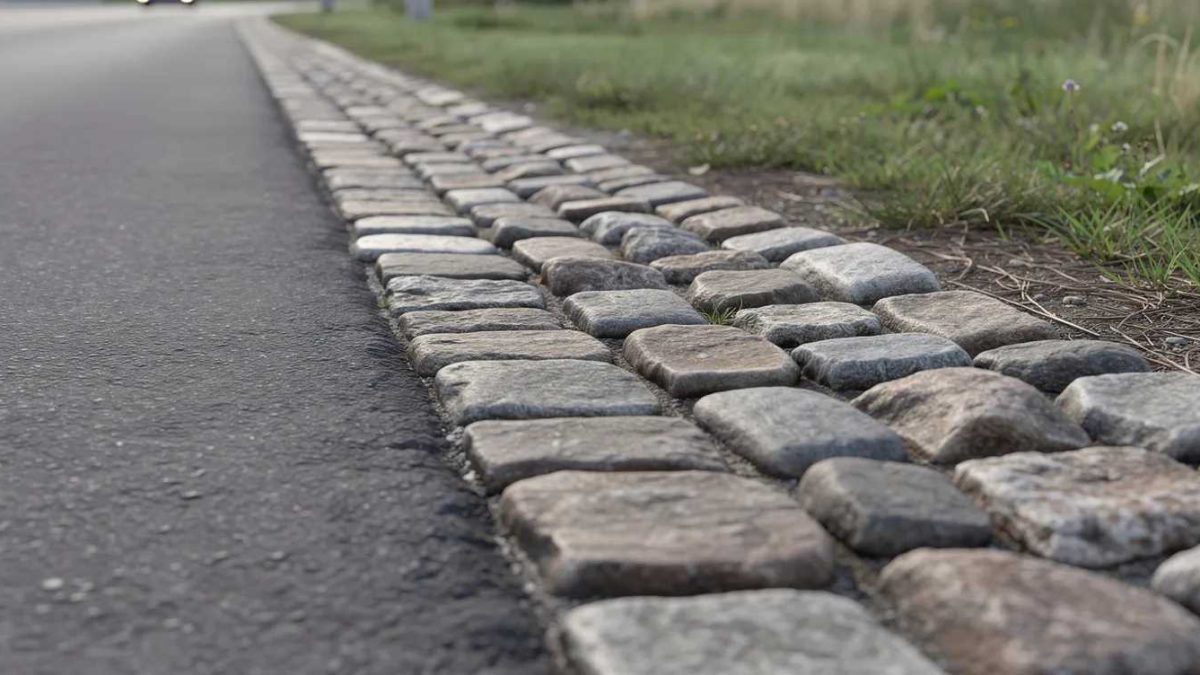
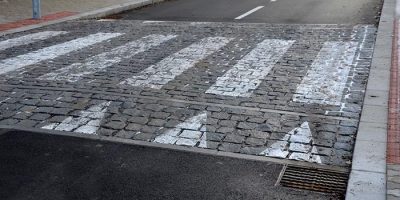
A cobbled speed table built from modular setts is one of those things that just seems to get on with its job quietly. It’s regularly outlasts 25-30 years, while a standard asphalt road hump usually needs some TLC or a full rebuild within 10-15 years.A cobble speed table is a flat topped full width plateau with ramped approaches, built from stone or concrete setts laid over a strong compacted aggregate base. Speed tables have a flat bit in the middle for a smoother ride, and its the modular design that really gives them a long life.
Structurally, the weight is spread across loads of interlocking units rather than being channelled through one big slab of asphalt. The flexible joints cope with the heat & the movement of the ground, all the seasonal shifts & the big trucks – and that stops the cracks that can run through asphalt. Where asphalt just melts and gets all rutted, the setts stay rock solid. That’s why block paving in well built UK jobs lasts 25-40 years before needing serious work – the blocks themselves often last the base and the joints.
Maintenance is pretty light:
- Years 1-10: Every now and then a few setts might come loose or crack (often because of utility cuts); joints may need topping up with mortar or sand. A small team lifts a few blocks, puts in some new bedding, and the table is back up and running the same day.
- Years 10-20: The odd bit of localised reinstatement after utility work; possible re-bedding in patches; edge or ramp refacing if needed.
- Years 20-30: The platform stays stable, you just need to do a bit of joint work; the table keeps going.
Now compare that with rubber speed bumps – low maintenance, needs frequent cleaning, but has a life of about 5-10 years in public places. Or asphalt humps – these dont need much maintenance but every repair risks changing the geometry and triggering a whole new safety audit. Modular tables on bus routes and streets with big trucks and all that survive repeated loading way better than asphalt speed bumps because the setts spread the weight rather than just taking it all in one go.
Learn: more about speed tables here in this complete guide.
Whole-Life Costing: One Table vs Three Humps
Now here’s where the maths gets really interesting. Over a 30 year window – a reasonable time frame for any UK highway authority to be planning – let’s compare one cobbled speed table with the sequence of asphalt humps you’d need to keep one place calm.
Asphalt Hump Costs (pretty basic breakdown)
- Initial construction: design, materials, labour, signage, road markings, traffic management – speed bumps need to be fixed with proper bolts and anchoring systems, and then they need to be regularly cleaned to keep them visible and safe.
- Every 2-4 years, you need to get out and patch them up: that’s crew mobilisation, fresh asphalt, lane closures – and all that.
- Eventually (at least once, maybe twice) you need to do a major overhaul or replace them altogether within 30 years.
- And dont forget to keep re-marking the road surface – white triangles, slow signs, hazard lines – and all the associated traffic management and design audit costs. Every intervention means more of these costs.
Cobbled Table Costs (basic breakdown)
- More upfront cash laid out than a single asphalt hump (50-100% more, depending on materials and road width).
- Light, planned maintenance: every 8-10 years, re-bed some of the setts or replace a few; occasional joint re-pointing.
- Far fewer traffic management events overall.
The costs that get overlooked are whats really makes the difference. Every time you close a lane to sort out an asphalt hump, you’re paying out for temporary signals, road signs, staff & disruption. Every time the geometry gets messed up, you need another safety audit and maybe a fresh approval. Materials like bitumen go up and down in price. And every hump that gets badly fixed, and ends up a bit high or a bit low, risks breaking the rules and creating liabilities.
Even though the initial cost is higher, an asphalt speed bump can easily end up costing as much or more than a top end cobbled table over 25-30 years of works. Build once, maintain lightly – the maths will work in your favour.
Why Flat-Topped Tables Work Better Than Humps At Calming Drivers
Sharp humps get a very distinct driving pattern – traffic brakes late, crawls over the hump, then takes off again as soon as its over. Humps reduce speeds to 25-30km/h at the hump itself, but between them, vehicle speeds spring back up again. Its a yo-yo effect that bugs everyone – drivers, passengers, cyclists and local residents. Flat topped tables reduce speed by 10-15% but that averages out a lot of the peaks and troughs. A speed table for a flat road is a whole other story – no bouncy spike to push through.
The gradual slope of the ramp brings cars down smoothly, and the generous flat top – long enough that you can’t just “bounce” over it – lets drivers settle around 15 to 20 mph pretty naturally. You don’t get that nasty spike-and-recover cycle; instead you get a steady speed drop right across the platform. That’s why speed tables are becoming the preferred option for pedestrian crossings and zebra crossings – drivers visually pick up on the change in street priority and it discourages them from speeding, and they keep a safe speed right through the zone.
The numbers on safety are pretty telling too. Speed bumps can cut pedestrian-related accidents by a quarter, and in areas near schools, they can even lead to a 40% slash in child accidents. And if you can get a 9 mph speed drop, speed bumps can reduce accidents by 60 to 70%. Lowering speeds makes it less likely for people to be severely injured in crashes, which is what traffic calming is all about in residential areas. Speed bumps can be effective in residential areas and near schools, and they discourage speeding and aggressive driving on local roads – but a table does that speed drop a whole lot more consistently and comfortably.
And because of that gentler slope, speed tables are also way quieter and less jarring for nearby homes. Some dynamic speed bumps will only spring to life above a certain speed, but they’re pretty rare and expensive – a well-designed table achieves a similar self-regulating effect without breaking the bank through nothing more than its geometry. Plus because drivers aren’t constantly braking and accelerating, local emissions are lower than the stop-start pattern that traditional speed bumps can encourage.
Heritage Streets, Aesthetics and Resident Acceptance
When you’re in historic or conservation areas, black asphalt road humps with super bright fluorescent markings and a speed bump kit of plastic bollards can just look – frankly – pretty ugly. The bright colouring of speed bumps is a visual effect, but it can jar against Georgian brickwork, Victorian kerbstones and cobbled lanes.
Speed tables made of cobbles using stone or heritage-style setts blend right into the existing palette of other materials – York stone, granite, clay pavers – while still doing their job as modern traffic calming devices. That integration means that residents, shopkeepers and heritage groups tend to have fewer objections when new schemes come along. Speed bumps can reduce through-traffic in residential areas, but if the device itself provokes a petition for removal, you’ve got nothing.
Well-designed tables can serve as informal crossing points or gateways, tying into planters, seating, road narrowing features and parking bays. They make the streetscape make sense: drivers see stone, feel the rise, and instinctively slow down.
One thing to note: old sleeping policeman humps in older streets are often ripped out or flattened after years of griping, while discreetly designed cobbled tables tend to survive budget reviews and political cycles – because nobody complains about something that looks like it belongs.
Comparing Cobbled Tables with Other Vertical Traffic Calming Measures
Not every situation needs a cobbled table, so let’s put it in context against other traffic control bumps.
Traditional speed bumps and road humps – the big, monolithic asphalt kind – deliver speed reduction but they age fast and generate complaints, as we’ve covered. Speed bumps work great in spots where you just want to stop cars from racing, but longevity and comfort are not high on the priority list.
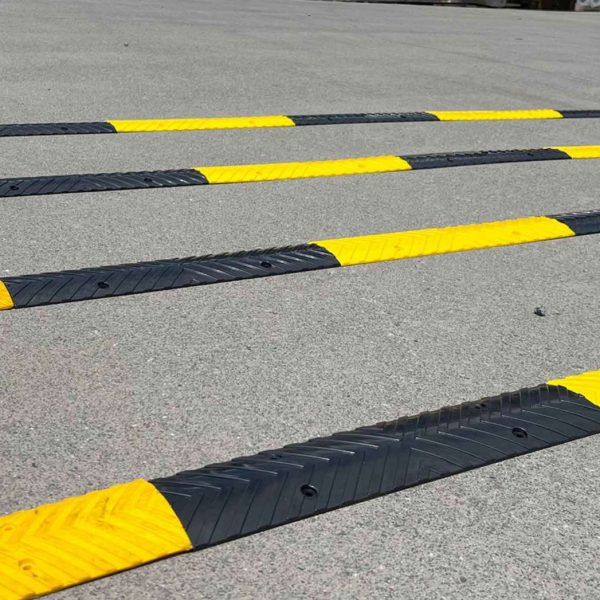
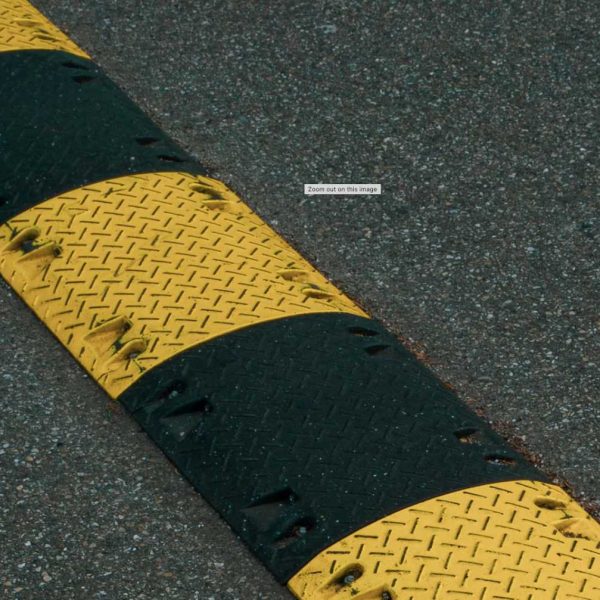
Rubber speed bumps are modular bolt-down units popular on private roads, car parks, parking lots and construction sites. They’re easy to slap down – some suppliers even throw in free delivery – and suit low-traffic settings. But on busy highways, they rarely last more than 5 to 10 years before the bolts start to loosen and sections lift. Speed bumps in the UK need to be marked with reflective materials to let drivers know they’re there, and those rubber modules can lose that reflectivity pretty quickly.
Speed cushions do allow buses and other wider vehicles to pass with a bit less delay, which is great for fire engines and other emergency vehicles – but that same thing means that cars with wider axles can also drive over them, undermining the speed reduction. Emergency services like the gap, but speed bumps can slow emergency vehicles by 3 to 10 seconds per bump when they can’t straddle it, creating a bit of a tension between calming and response times.
Rumble strips mostly rely on noise and vibration to alert drivers, acting as a complement to physical deflection rather than a replacement where speed is a chronic problem.
Cobbled speed tables strike a balance: they’re robust, long-lived vertical control covering the full width of the carriageway, compatible with bus routes and emergency vehicles, and attractive enough to improve safety without spoiling the streetscape. They encourage drivers to keep a consistently lower speed, rather than just react to one obstacle.
Design and Specification Tips for Long-Life Cobbled Speed Tables
Getting 25 to 30 years out of a cobbled table isn’t some kind of magic trick – it’s about getting the specification right. Here are the key design notes:* Speed limit and Geometry: Speed bumps are usually put in all areas with speed limits of 30mph or less – in particular, you won’t find speed bumps on roads with a speed limit higher than 30 mph. The UK Department for Transport – through the Highways (Road Humps) Regulations 1999 and LTN 1/07 – lays down some pretty strict rules on how speed bumps should be designed. The height of the table is often around 75mm, and the speed ramps are designed to be a gentle gradual slope so that even the roughest of road surfaces can safely withstand the weight of all sorts of vehicles.
- Sub-base and Bedding: Its a no-brainer – underneath, you need a compacted Type 1 aggregate base that lets water drain properly, preventing frost heave and settlement. And make sure the edges are properly restrained – in other words, use haunching or kerbs to stop the setts creeping sideways. The single biggest reason speed table failures happen is poor base preparation.
- Sett selection: When it comes to choosing setts for your speed table, you want ones that are going to be hard-wearing, and can withstand the weight of buses, refuse vehicles and other big vehicles without shattering to pieces. And textured finishes are a must – you want to be able to count on them to provide some decent skid resistance over the years.
- Drainage: The key word here is drainage – your speed table needs to be able to shed water properly, not just get soggy and start ponding up everywhere. That means properly-sloped surfaces, kerb drops and channels to keep water from getting into the way.
- Signage and Markings: Now, speed bumps generally need to be in areas with street lighting, and warning signs are a legal must. As for road markings – well, you only need to use them if it really is necessary to keep the place safe, and even then, keep them minimal so as not to spoil the streetscape. You want the speed table to do its job – to slow traffic down – without getting in the way or causing a load of delays.
- Load Confirmation: On bus routes, you need to get expected axle loads confirmed with the bus operators before you design your speed table. Having flatter ramps improves the ride quality for passengers and reduces wear and tear on the speed table.
Why Quicksetts is the Smarter Long-Term Investment
Asphalt is a flexible material. It moves, flexes, cracks, and degrades under UV light.
Quicksetts are rigid, engineered units designed specifically to withstand the rigours of bustling towns, city centres, and heavy goods vehicle traffic.
Furthermore, the smooth, chamfered edges of the Quicksetts system mean vehicles pass smoothly onto and off the table, which massively reduces the wear and tear on the vehicle suspension – and the table itself.
And don’t forget the psychology. A cheap, cracked, faded hump screams “neglect”. It tells drivers, “This road is falling apart, drive however you want.” A well-maintained, heritage-styled cobbled table screams “Quality”. It commands respect from the driver, creating psychological calm before the wheels even hit the plateau.
🏁 The Final Verdict
If you are looking for a sticky plaster to get you through the next financial year, buy the cheap asphalt hump. You’ll be back in five years to fix it.
But if you are looking to build a lasting legacy—a safe, beautiful, low-maintenance street that will still be standing strong when your kids are learning to drive—choose the cobbled speed table.
Specifically, choose Jobling Purser’s Quicksetts.
They offer the timeless beauty of traditional granite, the brute strength of modern resin technology, and the peace of mind that comes with knowing you won’t have to dig up the same road again in a decade. That’s not a cost. That’s an investment.
Learn more about speed humps and speed bumps here.
FAQ
Most of the questions that follow are all about practical stuff that just don’t fit into the main flow of things. The answers are all about typical UK practice up to 2026 – but your local highway authority may well be a bit more strict.
How much of a hassle is it to replace old speed bumps with a cobbled speed table?
Replacing asphalt speed bumps with a new cobbled table is usually a pretty big job – it may need a full carriageway closure for a short stretch for several days or a couple of weeks, depending on whether there are any utility conflicts and the weather. Many towns and cities do this sort of work during school holidays or overnight, with signed diversions and loads of advance notice to local residents. One way around this is by using quick setting cobble technology like Quicksetts.
Are cobbled speed tables noisier than asphalt humps?
You’ll be surprised at just how little extra noise a well-laid setts on a proper bedding layer produces, especially at the lower speeds you get with a flat-topped speed table. Most noise complaints around traffic calming come from things like harsh braking or acceleration and loose materials. A stable table that keeps traffic moving at a smooth, slow pace in both directions is actually a lot quieter than a worn out speed bump.
Can cobbled speed tables be used on bus routes and for heavy vehicles?
Absolutely – as long as the base is engineered to take the expected axle loads, and the setts are the right thickness, it is perfectly safe for buses and heavy vehicles. Many towns and cities already run full-size buses over raised speed tables, using flatter ramps to keep the ride quality as good as possible. And having a well-designed full-width speed table lets emergency vehicles cross with minimal delay – unlike speed cushions, which force them to straddle awkwardly, losing valuable seconds.
Do you still need to put up road markings and signs with a cobbled speed table?
Yes, you do still need to put up warning signs, according to UK regulations – and you might also need some road markings, like SLOW or give way lines, especially at pedestrian priority points. In heritage areas, designers will often keep the markings pretty subtle, using the visual cue of the raised, cobbled surface to slow traffic down, without needing to add loads of extra signs and markings.
Are cobbled speed tables suitable for cyclists and wheelchair users?
A flat-topped speed table with gentle, well-detailed ramps is usually a lot more comfortable for cyclists and wheelchair users and people pushing buggies than the sort of abrupt bumps and speed cushions you often find on residential roads. And when it comes to joints between setts and tactile paving at crossing points, you need to get them just right – flush and tight, with everything properly aligned. The aim is to improve safety and slow traffic down without creating trip hazards or jarring vibrations. Done properly, a cobbled table is one of the most inclusive vertical calming options you can use on residential roads.