 By
By Everything You Need to Know About Tarmac
If you have ever searched for a contractor to resurface a driveway, priced up a car park refurbishment, or written a highway maintenance tender, you will have encountered the word “tarmac.” But what does it actually mean, what should you be specifying, and how do you avoid paying for the wrong product? This guide covers everything buyers, property managers, and public authorities need to know.
Key Takeaways
- The term tarmac originates from tarmacadam and is commonly used as a catch-all for any blacktop or paved road surface. In reality, modern road surfacing uses asphalt concrete bound with bitumen, not coal tar. If a contractor quotes you for “tarmac,” you are almost certainly getting an asphalt product.
- Choosing the right surfacing depends on expected traffic loads, intended use (roads, car parks, footpaths, driveways, industrial yards), local climate, and budget. Always match the specification to the project.
- Well-designed and properly laid asphalt surfaces can last 15–25 years or more, but only when the sub-base, drainage, and ongoing maintenance – crack sealing, patching, resurfacing – are done correctly.
- Coloured asphalt, porous mixes, heavy-duty formulations, and high-friction surface treatments are all available for safety-critical areas, planning-sensitive schemes, and sustainable drainage systems.
- Public authorities and private buyers should always request clear specifications referencing mix type, layer thicknesses, and standards such as EN 13108 or UK highway works clauses, plus warranties, before awarding contracts.
What “Tarmac” Actually Is – and Why the Term Causes Confusion
Most people say “tarmac” for almost any black road surface, airport apron, or driveway. The term tarmac is commonly used to describe both asphalt and macadam surfaces, yet it is historically inaccurate for virtually every surface laid in the UK today. Tarmac can refer to roads but is often used informally for any asphalt road surface – a habit that causes real confusion when customers try to compare quotes.
The original paving material, tarmac, was widely used on roads and early airfields. It consisted of compacted, graded stone bound with coal tar – hence “tar macadam.” Tarmacadam was developed by John Loudon McAdam in the 1800s and later refined when Edgar Purnell Hooley patented the tar-binding process in 1902.
Modern tarmac uses bitumen instead of tar for binding. That means what people call “tarmac” is really asphalt concrete – a controlled mixture of aggregates and bitumen. In technical documents across the UK, the wording is usually asphalt concrete, stone mastic asphalt (SMA), or hot rolled asphalt (HRA).
The term tarmac is informally used to refer to paved areas of an airport, and the term tarmac often refers to paved surfaces where aircraft operate. However, asphalt concrete is commonly used for modern airport surfaces, and aviation professionals prefer specific terms like runway and taxiway over “tarmac.” Runways are engineered for extreme weight-bearing capacity and skid resistance – a far cry from the simple tar-bound macadam surfaces of the early 20th century.
From Macadam to Modern Asphalt Concrete: A Brief History
Road construction has undergone dramatic change over two centuries. In the early 1800s, John Loudon McAdam introduced a method of building roads from thin, well-drained layers of compacted, graded stone – eliminating heavy stone slabs and cutting costs for turnpike trusts. McAdam’s method used tar to bind small aggregate stones once motorised traffic created dust and ravelling problems on unbound macadam surfaces.
By the early 1900s, tarmacadam had become the dominant form of road surfacing. Tar was sometimes modified with pitch, resin, or Portland cement to improve durability. However, true tarmac is largely obsolete in modern road construction due to cracking and softening issues. High temperatures can soften tarmac surfaces, allowing marks to be left by vehicles – a weakness that accelerated the industry shift toward petroleum-based bitumen binders from the 1930s onward.
By the 1970s–1980s, coal tar had been almost entirely replaced. Today, 95% of roads in the UK are surfaced with asphalt – manufactured in modern asphalt plants and meeting european standards such as EN 13108. This transition was driven by health concerns around coal tar, better performance under extreme temperatures, and the superior durability of bitumen-bound asphalt mixtures.
Technical Definitions: Macadam, Tarmac, Asphalt, and Asphalt Concrete
Understanding the terminology helps buyers avoid specification errors and compare tenders on a like-for-like basis.
- Macadam: A layered pavement of compacted, graded crushed stone, originally without a binder. In modern usage, macadam surfacing uses graded aggregates bound with bitumen (bituminous macadam or “bitmac”).
- Tarmac / tarmacadam: The historic tar-bound version of macadam. True tarmac surfaces are less commonly used than asphalt in road construction today.
- Asphalt: In UK and European usage, a family of bituminous mixtures combining aggregates – crushed stone, sand, filler – with a bitumen binder. Asphalt is a blend of aggregates and bitumen. In the US, “asphalt” often refers to the binder itself.
- Asphalt concrete (AC): Asphalt is classified under the term asphalt concrete (AC) in European and international standards. Examples commonly used on roads and car parks include AC20 dense bin 40/60 for binder course and AC10 close surf 40/60 for the surface course.
Modern construction typically relies on asphalt for better durability. Asphalt expands and contracts better with temperature changes than tarmac, making it the preferred material for everything from domestic driveways to motorway pavements.
Key Types of Modern Tarmac / Asphalt Surfacing and Where They Are Used
Modern “tarmac” is delivered as hot mix asphalt in a range of standardised formulations. Each is developed for specific traffic levels, climate conditions, and functional needs such as noise reduction, skid resistance, and drainage.
| Type | Best for | Key benefit |
|---|---|---|
| Dense asphalt concrete (e.g. AC20, AC32) | Base/binder courses, car parks, industrial yards | Structural strength, deformation resistance |
| Stone mastic asphalt (SMA) | Motorways, heavily trafficked roads | Rut resistance, reduced tyre noise, long life |
| Hot rolled asphalt (HRA) | Trunk roads, urban streets | Dense, textured surface course with pre-coated chippings |
| Permeable asphalt | SuDS schemes, car parks | Allows water to drain through the pavement, reducing flood risk |
| High-friction surfacing | Junctions, pedestrian areas, steep gradients | Enhanced friction and shorter stopping distances |
Stone-matrix asphalt provides a strong wearing surface and is an ideal choice where heavy traffic loading demands superior durability. High-performance asphalt can withstand heavy loads and harsh chemicals, making it suitable for ports and freight yards. Asphalt generates less roadway noise than concrete surfaces – a priority for residential areas. Standard tarmac is impermeable and requires drainage management for rainwater, whereas permeable asphalt allows water to drain through the pavement, supporting sustainable drainage systems.
These products all fall under asphalt concrete standards but may appear in design documents under older legacy names. Always match performance requirements to specific mix names and specifications.
Applications: Roads, Car Parks, Driveways, and Specialist Surfaces
Not all tarmac jobs are equal. The right specification for a motorway lane is different from that for a supermarket car park, a cul-de-sac, or a pedestrian plaza. Tarmac is popular for roads, driveways, footpaths, and car parks due to its balance of cost and durability.
Roads: Local estate roads, A-roads, and motorways use multi-layer systems – sub-base, base, binder, and surface course – designed for specific traffic categories and axle loading. Road construction typically involves preparing the ground and laying asphalt layers to create a structure that can withstand decades of use.
Car parks and commercial yards: Thicker bases and binder courses cope with static loads, turning movements, and occasional heavy vehicles. Drainage falls, line marking, and accessible bays are critical. Tarmac is an excellent choice for long driveways and commercial yards where loading and turning are constant.
Domestic driveways: Smaller in scale but governed by similar principles. Tarmac provides a stable, clean surface that is easier for vehicles than gravel, and is cheaper and quicker to install compared to concrete. It is generally one of the least expensive hard surfaces to install, making it an ideal choice for homeowners on a budget.
Specialist environments: Bus lanes, logistics yards, docks, and cycle tracks require asphalt mixes tailored to braking, turning, and fuel or chemical exposure. Buyers and authorities should request design calculations or standard catalogue solutions rather than relying solely on a contractor’s generic “tarmac” quote.
Designing and Laying Tarmac: Structure, Thickness, and Workmanship
A successful asphalt surface depends as much on what is underneath and how it is laid as on the asphalt mix itself. Design and installation quality are the leading drivers of life expectancy.
Pavement structure (bottom to top):
- Sub-grade (natural ground)
- Capping layer (if ground is weak)
- Granular sub-base (e.g. Type 1)
- Asphalt base course
- Binder course
- Surface course
Each layer plays a role in spreading loads and protecting against frost and water. Indicative asphalt thicknesses: a light-duty driveway may need 50–100 mm of asphalt over 150–200 mm of sub-base, while a heavily trafficked access road or industrial yard might require 250–300+ mm of asphalt layers.
To lay asphalt correctly, the process involves site investigation, sub-base preparation and compaction, accurate level setting for drainage, delivery of asphalt produced at the correct temperature from asphalt plants, mechanical paving where feasible, and compaction using suitable rollers within specified time windows. Tarmac can be laid and set within a single day for minimal disruption – a significant advantage over concrete on busy sites.
Buyers and authorities should look for uniform texture, tight joints, correct layer thickness verified with cores or gauges, and clean edges tied into kerbs. Common defects from poor workmanship – rutting, cracking, potholes, surface fretting – are preventable with early inspections during and immediately after construction.
Coloured Asphalt, Safety Surfacing, and Aesthetic Options
Tarmac surfaces are usually only available in black or dark grey, but modern asphalt solutions allow a wide range of colours and textures to meet planning, safety, and urban design objectives.
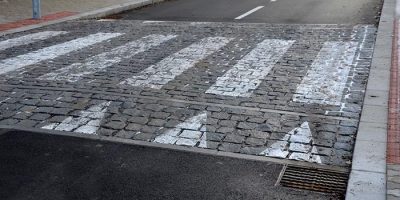
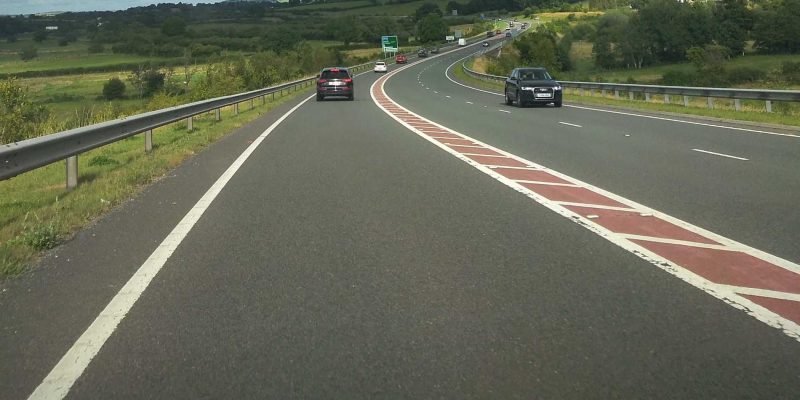
Coloured asphalt is produced using clear or lightly coloured binders combined with selected natural or pigmented aggregates, or by applying coloured surface dressings over a conventional black asphalt base. Coloured asphalt enhances appearance and usability in projects – from red cycle lanes and buff pedestrian crossings to colour-coded zones in large car parks. Coloured asphalt enhances appearance for decorative applications and is manufactured to meet the same performance criteria as standard asphalt mixes.
Trade-offs include higher initial cost, potential limitations on maximum operating temperature, and the need for careful specification to ensure skid resistance and durability under braking. Textured and high-friction surfacing products are commonly used at roundabout approaches, pedestrian crossings, and steep gradients to enhance friction and reduce stopping distances in wet weather.
Decision-makers should involve designers and materials specialists early when coloured or decorative surfacing is being considered, to balance appearance with long-term maintenance and whole-life cost.
Durability, Maintenance, and Rehabilitation of Tarmac Surfaces
While asphalt concrete surfaces are highly durable, they are not maintenance-free. Proactive maintenance can effectively double the service life compared with a “build and forget” approach. Asphalt surfaces can last 15–25 years with proper installation and proper maintenance.
Typical deterioration mechanisms:
- Oxidation and hardening of the binder from heat and UV exposure
- Thermal and fatigue cracking under repeated wheel loads
- Rutting under heavy or slow-moving traffic
- Pothole formation from water ingress and freeze-thaw cycles
UV exposure and oil spills gradually cause fading and wear on tarmac surfaces. New asphalt in patch repairs often does not match the weathered surface of tarmac, which is a cosmetic consideration for property managers.
Routine maintenance actions: sweeping, clearing drainage, timely crack sealing to preserve waterproofing, localised patch repairs, and periodic surface dressing or thin asphalt overlays to restore texture. For older pavements, heavier interventions include milling off worn layers, in situ recycling of existing asphalt, or full-depth reconstruction where the sub-base has been compromised.
Condition surveys and non-destructive testing – such as falling weight deflectometers – help highway authorities operate efficient asset management programmes and optimise when to treat surfaces for the best balance between cost and performance.
Sustainability, Recycling, and Environmental Considerations
Asphalt is central to modern transport infrastructure and a significant contributor to resource use, yet it is also one of the world’s most recycled construction materials. Asphalt can be recycled at a greater rate than any other material, and asphalt is fully recyclable at the end of its lifespan.
Reclaimed asphalt pavement (RAP) – milled from old road surfaces – is crushed, screened, and reused in new asphalt mixes. Reclaimed asphalt can replace up to 100% of virgin materials subject to performance checks, reducing demand for primary aggregates and bitumen. The use of waste materials such as crumb rubber from end-of-life tyres and blast furnace slags is also growing, provided these are carefully tested for durability and safety.
Warm mix asphalt technologies, developed more widely in the 2010s and 2020s, lower asphalt production and laying temperatures. Warm Mix Asphalts can reduce CO2 emissions by up to 15%. Products like Hanson era® reduce carbon emissions from asphalt production by 50%, demonstrating what is achievable with current technology.
Environmental considerations also include noise from different road surfaces, run-off water quality, and porous asphalt for sustainable drainage. Authorities and buyers should consider whole-life carbon assessments, local recycling capacity, and future maintenance implications when selecting asphalt solutions – not just the lowest initial construction cost.
Frequently Asked Questions About Tarmac
Below are answers to common practical questions from homeowners, facilities managers, and procurement teams.
How long should new tarmac be left before driving or parking on it?
For typical hot mix asphalt in temperate conditions, light car traffic is often allowed after 24 hours. Heavier vehicles and tight turning in car parks or driveways may need 48–72 hours. Cooler weather or thicker layers can extend curing times. Always follow the specific guidance provided by your surfacing contractor, as mix type, layer thickness, and ambient temperature all influence when the surface can be safely opened to traffic.
Can tarmac be laid in winter or during wet weather?
Asphalt can be laid in cooler months, but most specifications require minimum air and surface temperatures – often around 5–10 °C and rising – along with dry conditions to ensure proper compaction and bonding. Laying on wet or frozen bases is likely to lead to premature failure. Build flexibility into programmes so surface course works can be rescheduled around heavy rain or frost. Cold mix asphalt products exist for temporary repairs but are not suitable for long-term, high-traffic road surfaces.
Is it possible to lay new tarmac over an existing concrete slab?
Asphalt overlays on concrete are common where the concrete base is structurally sound. However, joints and cracks in the concrete may reflect through unless crack-relief systems, geogrids, or appropriate binder courses are used. Commission a condition survey checking for movement or severe cracking before deciding on an overlay – in some cases, full removal and reconstruction may be more economical over the long term.
What is the difference between hot mix asphalt and cold mix products sold in bags?
Hot mix asphalt is manufactured at an asphalt plant, delivered hot, and compacted while warm to form durable, long-term road surfaces. Bagged cold mix asphalt products use chemically different binders and are typically intended for small, temporary, or emergency repairs. While cold mix can be invaluable for rapid winter pothole repairs, permanent reinstatement is usually best achieved with properly designed hot mix asphalt once weather and resources allow.
How should I specify tarmac in a tender or project brief?
State performance requirements – traffic category, design life, skid resistance, noise considerations – and reference appropriate national or European asphalt concrete standards and clause numbers. Specify required layer thicknesses and materials for each course. Include requirements for recycled content, warm mix technology where appropriate, quality control testing (density, binder content, air voids), and warranties, so that tenderers price on a common, transparent basis rather than vague references to “tarmac surfacing.”